In early 2015, life felt like a dream come true. We were newly engaged, excited about our future together, and just weeks away from our wedding. To add to our joy, we found out we were expecting our first child together, blending our families. Everything seemed perfect. We were already familiar with the early pregnancy routine, having experienced the usual ultrasounds and checkups with ease, so when we went for our 20-week anatomy scan, we never expected anything to go wrong.
But as soon as the ultrasound tech became unusually quiet, I sensed something was off. She kept taking measurements, not saying much, and finally left the room. When she returned, she was with our high-risk OB, and that’s when the earth shifted beneath our feet. “Your baby is sick,” the doctor said. “Your baby has multiple issues, the first of which is a heart defect called Tetralogy of Fallot.” I could barely process the words. He continued, “There are also brain abnormalities that we need to investigate further, and we’re not sure whether this is fatal.”
My heart sank. How could this be happening? We had no family history of congenital heart disease, no indication anything was wrong. We were offered genetic testing, and the fear began to set in. What if this was a sign of something even more severe? What if our child wouldn’t survive? The uncertainty weighed heavily on us, but we had to keep moving forward.
A few days later, the genetic testing results confirmed our worst fear: our baby had a condition called Spina Bifida. The news hit us like a ton of bricks. The doctors explained that our baby had an opening in her spine, exposing the spinal cord and nerves to the damaging effects of amniotic fluid. The severity was still unknown, but the doctors warned us of potential lifelong challenges: hydrocephalus, paralysis, lack of bladder and bowel control, intellectual deficits, and the possibility of needing surgeries after birth.
Despite the overwhelming news, we decided to hold onto hope. We named our baby girl Annalise Nicole, after my late father, who always loved the name, and her middle name, Nicole, for my best friend. We knew this little girl was going to be a fighter, and we were determined to give her the best life possible, no matter what.
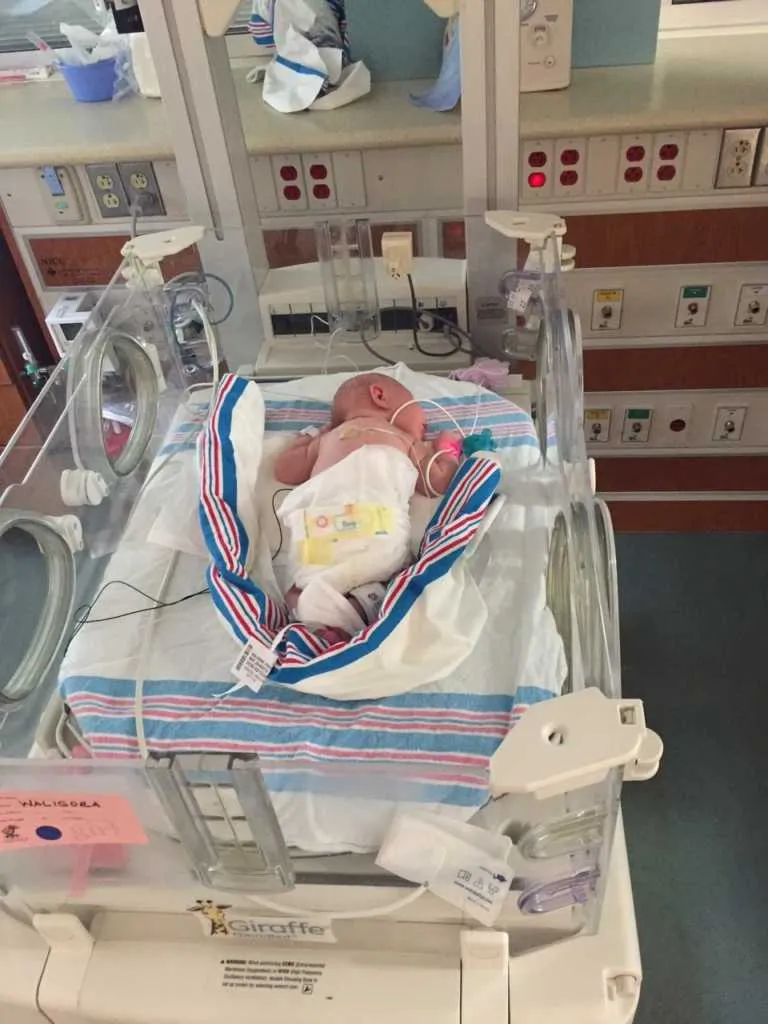
The following months were filled with more tests and visits to specialists. We learned that Annalise’s condition was severe and that she would need to be transferred to Philadelphia for specialized care at CHOP (Children’s Hospital of Philadelphia). Despite the unknowns, we kept holding onto the hope that Annalise could overcome whatever came her way. But the constant talk of termination, offered by our doctors at each appointment, made it incredibly difficult to stay positive.
We were repeatedly asked to consider ending the pregnancy, given the uncertain future. But we could never even entertain that thought. Our baby was wanted and loved, and we were going to fight for her, no matter what.
Then, we were presented with an option: fetal surgery. The surgery could potentially close the opening in Annalise’s back while she was still in the womb, improving her chances for better leg function, bladder and bowel control, and reducing the risk of brain damage. The catch? The surgery had very strict qualifications, including a BMI requirement that I unfortunately did not meet. I was devastated.
May you like
Iron Bowl Saturday and the Legacy of Walt Gary: A Superfan Who Never Stopped Believing.T225
Sasha’s Fight: A 13-Year-Old’s Unwavering Courage Against Cancer.T481
Madison: A Brave Little Fighter Who Overcame Heart Defects and Lung Struggles.T737
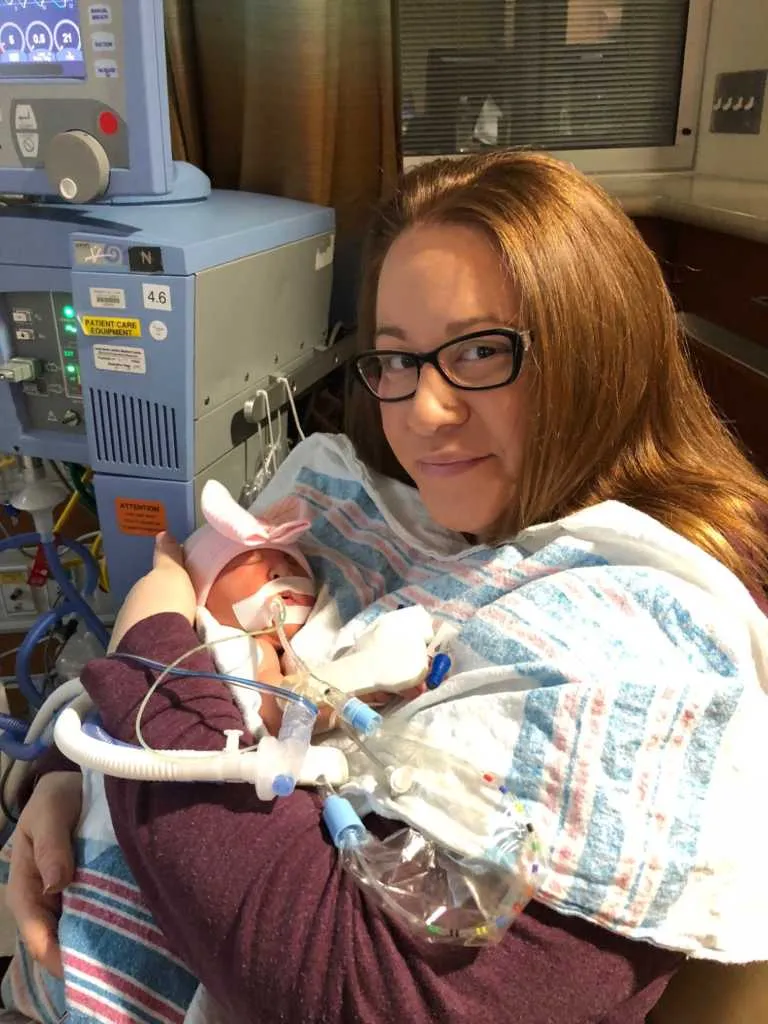
I felt like I was being told I was too fat to save my baby. How could this be happening? Was it my fault? I blamed myself for a long time, wondering if there was something I could have done differently. The guilt was overwhelming, but I knew deep down I had to keep pushing forward.
We decided to continue our care at CHOP, knowing it was the best place for Annalise. We made the long drive from Long Island to Philadelphia at least once a month, going through checkups, tests, and evaluations. Each time, the doctors continued to bring up termination, but we made it clear that it was not an option for us. Every time they asked, we said no, and that was one of the hardest things to do—being constantly reminded that we were facing an incredibly difficult road ahead.
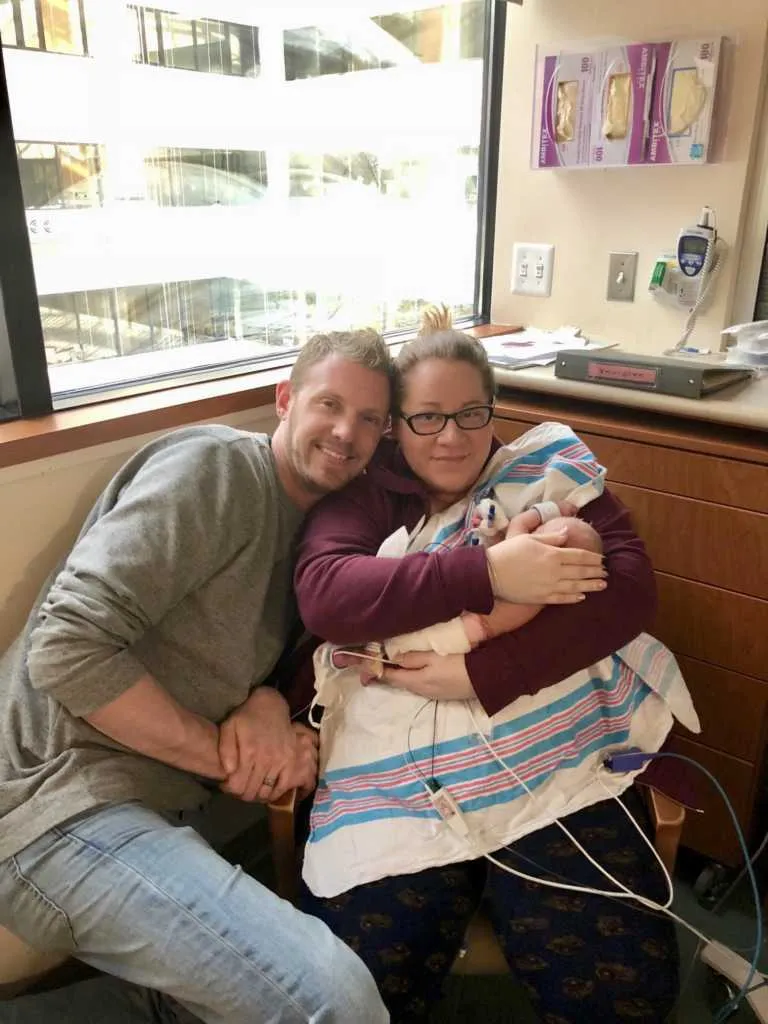
The weeks and months flew by, and before we knew it, it was time for Annalise to be born. I went into labor a little early, and on the day of her birth, we had the support of an incredible medical team. Annalise was born via c-section, and we were prepared for a long journey. The doctors quickly took her to assess her spinal cord and address the issues we knew were coming. We couldn’t hold her for the first few days, as she needed immediate medical attention to stabilize her condition.
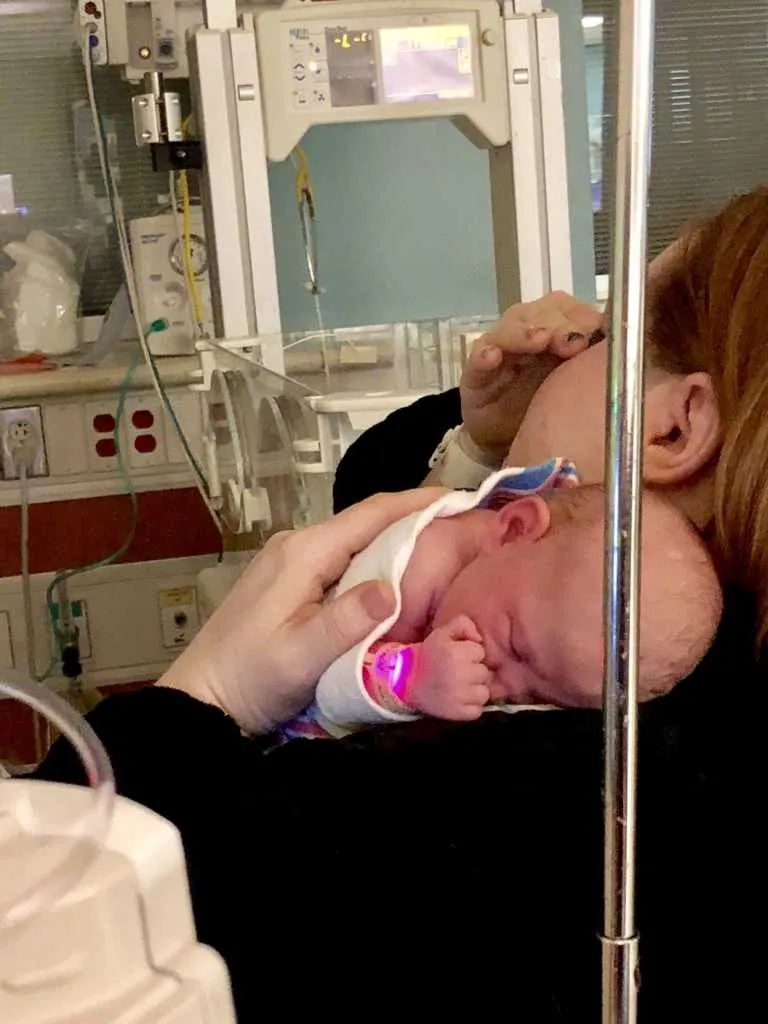
When I finally got to see her, I couldn’t hold back the tears. There she was, my baby girl, so tiny, so fragile, yet so strong. She had 10 fingers and 10 toes, but her hands and feet were fused together due to the effects of Spina Bifida. Her head was a bit misshapen due to cranial synostosis, a condition caused by the early fusion of skull sutures. But despite everything, she was perfect in my eyes.



Annalise’s first few months were filled with surgeries, therapy, and medical treatments. The road was incredibly difficult. Watching my baby girl endure one surgery after another was heartbreaking. Yet, through it all, Annalise showed an incredible spirit. She fought for every milestone, every improvement, and slowly but surely, she began to thrive.
Today, Annalise is a testament to resilience, strength, and hope. While she still faces many challenges, she continues to make strides in her development. She can now walk with the aid of special braces, and she’s learned to communicate and engage with the world around her. Her progress is nothing short of a miracle, and every day with her is a gift.
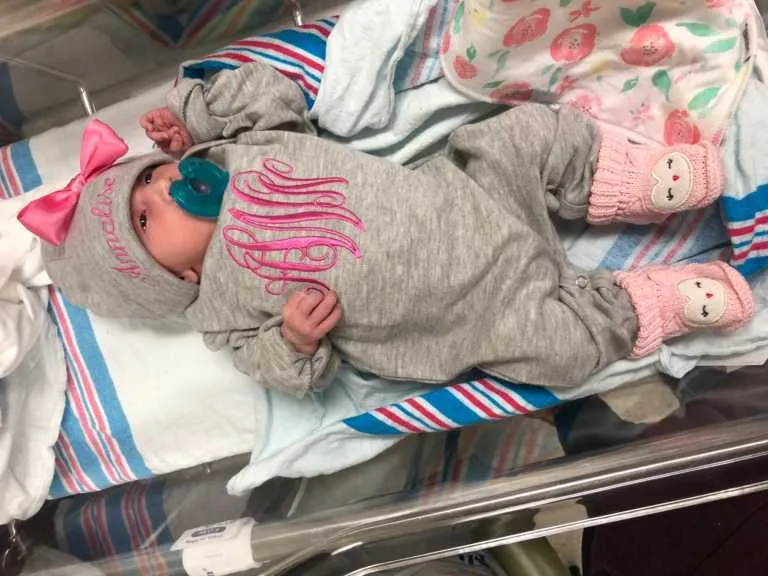
Looking back on everything we’ve been through, I am in awe of Annalise’s strength. She has taught us what true resilience looks like, and her unbreakable spirit has inspired everyone around her. We know there will be more challenges ahead, but as her parents, we are ready to face them with her, just as we always have.
Annalise may have been born with Spina Bifida, but she is not defined by it. She is defined by her strength, her courage, and the unwavering love that surrounds her. We are so proud of the beautiful girl she is becoming, and we are grateful for every step of this journey that has brought us closer together as a family.
Myles’ Journey: A Mother’s Unwavering Strength in the Face of DIPG.T893
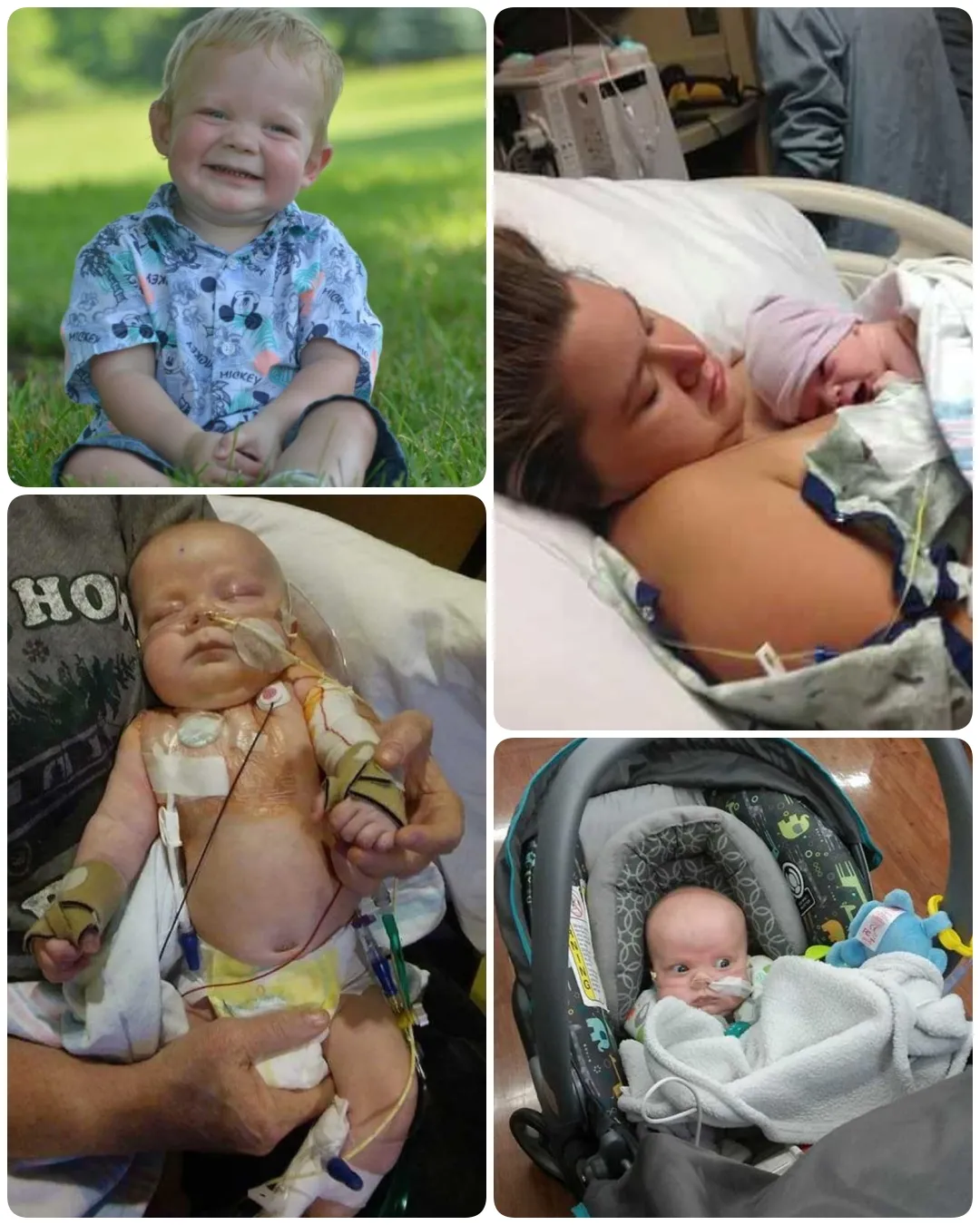
On June 29, 2016, my husband and I welcomed our beautiful baby boy, Myles Kaleb Baughman, into the world. He was perfect in every way—pink, crying sweetly, and full of life. The joy of becoming new parents was overwhelming, and we couldn’t wait to start our journey together as a family. Little did we know that just a few short weeks later, our world would be turned upside down, and we would be facing the unimaginable.
Around three weeks old, I began to notice something was wrong. Myles struggled to drink even a small amount of milk, taking hours to finish just two ounces. Half of it would dribble out of his mouth. His eyes would shake back and forth, and he started throwing his head back, screaming in pain. As a first-time mom, I knew something wasn’t right. I trusted my instincts and took him to his one-month check-up on August 2, 2016, where the pediatrician was immediately concerned and sent us straight to Cincinnati Children’s Hospital.
By the time we arrived, Myles had lost so much weight that he was below his birth weight. He was admitted for failure to thrive, but we had no idea that this would mark the beginning of an incredibly challenging journey that would test every ounce of strength we had. The second day in the hospital, Myles underwent an ultrasound on his head, which revealed swelling in his brain. Soon after, he was sent for an MRI, and I could only watch in agony as my tiny baby was wheeled away for the procedure.
Three hours later, after what felt like a lifetime, Myles returned from the MRI, and we were ready to grab a quick dinner. But that meal would be interrupted by three doctors and several nurses, who entered our room with news we never expected. They asked us to sit down. They told us that Myles had a brain tumor. In those moments, time stopped. I couldn’t process the words they were saying. A tumor? My 5-week-old baby had a tumor? Why? Why was this happening to him? My world began to feel like it was spinning out of control.
The doctors didn’t know the exact location of the tumor, nor could they confirm whether it was cancerous at that moment. They said we needed to wait for further tests. I was only 19 years old, a full-time college student with a job, and now I was being told that my baby had a brain tumor. My heart broke. I was overwhelmed with guilt and confusion, wondering what I had done wrong, why this was happening to us. So many questions ran through my mind, but the only thing I could do was research. I had to know more about the tumor that had just invaded my child’s life.
I started reading about brain tumors in young children, and the words that kept popping up were “Diffuse Intrinsic Pontine Glioma” (DIPG), the most aggressive and deadly form of brain cancer. DIPG is often referred to as “the worst brain cancer ever.” It typically has a life expectancy of only 9 to 12 months, with no effective treatments, and it is located in the brain stem, making it inoperable. Every word I read seemed to confirm my worst fear. I prayed every day that Myles didn’t have DIPG, but the fear lingered.
A few days later, Myles underwent another MRI, and when he returned to his room, his condition had worsened. He was hardly breathing, and his little body appeared lifeless. He was rushed to the ICU, where he was intubated and stabilized. I was beside myself with fear, my heart breaking as I watched my son struggle for life. On August 15, 2016, after stabilizing him, doctors performed a risky biopsy of the tumor. Due to Myles’ age, the procedure was extremely dangerous, but it was necessary for a diagnosis.
Two days later, on August 17, 2016, the biopsy results came back. The diagnosis was DIPG. My 5-week-old son had terminal brain cancer. I couldn’t breathe. I felt like I was being suffocated by the weight of the words. I wanted to scream, to run away, to escape from this nightmare. But I couldn’t. I had to face it. Myles was one of the youngest children to ever be diagnosed with DIPG—this was a diagnosis typically seen in children between the ages of 5 and 9.
The doctors gave us a grim prognosis. They told us Myles had only a few weeks to live due to the severity of his condition. His body was swelling to the point where he was turning blue, and his tongue was so swollen it couldn’t stay in his mouth. He also developed a blood clot in his leg, and at one point, they feared he might lose his leg. The doctors weren’t sure how to treat him because of his age, and they told us that survival beyond a few weeks was unlikely. But they also offered us a glimmer of hope. They planned to start him on chemotherapy, a treatment typically not used for DIPG because it cannot cross the blood-brain barrier. Still, they had to try.
On August 22, 2016, at just 7 weeks old, Myles received his first round of chemotherapy. The doctors were cautious but hopeful. After just a few rounds, something amazing happened: Myles’ tumor began to shrink. It was responding to the chemotherapy. The doctors were shocked. No one had expected this, especially given how young he was. But Myles, our tiny warrior, was fighting back.
In October 2016, Myles was extubated and moved to the regular Hematology/Oncology floor. His swelling had gone down significantly, and though he still had difficulty swallowing, he was improving. The doctors performed multiple tests to determine the cause of his swallowing issues and discovered that the tumor’s location was affecting his motor functions, including his ability to use his tongue. He was given a feeding tube to ensure he received the nutrition he needed.
By December 2017, Myles had completed 18 rounds of chemotherapy. His scans revealed that the tumor was stable, and the doctors decided to give his body a break. For the first time in over a year, Myles could be a “normal” kid for a while. They began to monitor him with scans every two months, and over time, the scans showed that the tumor remained stable. The doctors were stunned. Despite all odds, Myles was defying the statistics.
A year later, the scans had shown no growth, and the doctors decided to extend the time between MRIs to every four months. Myles was still here, still fighting, still thriving. His journey was far from over, but he had already shown us the incredible power of resilience, the strength of a mother’s love, and the unbreakable spirit of a child. Every day was a gift, and we were grateful for every moment we had with him.
As I look back on this journey, I am overwhelmed with gratitude. We have faced unimaginable challenges, but we have also seen the beauty of hope, strength, and the power of love. Myles, our little fighter, has shown us what it means to never give up, no matter the odds. And as his mother, I will continue to fight alongside him, every step of the way.Continue reading